Many individuals first become aware of the human papillomavirus (HPV) only when a physician reports an abnormal test result, or when a sexual partner is found to be infected. In reality, however, this virus is far more common than is generally assumed, and in most cases it produces no perceptible symptoms.
This article explains what HPV is, how it is transmitted, which types carry a risk of cancer, the available methods of HPV testing, how long results take, the approximate cost, and the extent to which the HPV vaccine confers protection—with the aim of helping readers make more informed decisions about their own health.
What Is HPV, and Why Is Testing Necessary?
HPV (Human Papillomavirus) is the most common sexually transmitted infection worldwide, comprising more than 100 distinct types. Certain types cause genital warts (condyloma acuminata), whereas certain high-risk types are a cause of cervical cancer. The World Health Organization (WHO) states that nearly all cases of cervical cancer are attributable to HPV infection. Screening is therefore of considerable importance, as it enables abnormalities to be detected before they progress to cancer.
HPV occurs in both men and women who are sexually active, and the WHO estimates that almost all sexually active individuals will acquire the infection at least once in their lifetime. A reassuring consideration, however, is that in most cases the body clears the virus on its own. Regular screening is consequently the key measure, as it allows high-risk types to be identified before they gradually give rise to long-term complications.
“Most HPV infections are asymptomatic, so infected individuals are frequently unaware of their status and may unintentionally transmit the virus to their partners. Screening is the only means by which a person can truly ascertain their own status.” — Specialist physician, PSK Clinic
How Is HPV Transmitted?
HPV is transmitted through skin-to-skin contact in the genital, anal, and oral regions during sexual activity. Neither ejaculation nor penetration is required for transmission to occur, and an infected person can transmit the virus even in the absence of symptoms. For this reason, condoms reduce the risk of transmission but do not provide complete protection.
HPV has several principal routes of transmission. The most common is vaginal intercourse, through which infection can occur even without internal ejaculation. Next is anal intercourse, which carries a particularly high risk because the tissue in this region is delicate and readily subject to tearing. Oral sex can lead to infection of the mouth and throat, and in some cases may progress to oropharyngeal cancer. In addition, direct skin contact with a lesion can also result in infection, even without penetration.
A further point worth noting is that HPV can remain latent in the body for months to years without producing symptoms. Because condoms do not cover all areas of skin—such as the scrotum and groin—they do not afford complete protection. Moreover, even after the body has cleared the virus, reinfection remains possible from the same partner or a new one.
Groups that warrant particular caution include: individuals who became sexually active before the age of 18; those with multiple sexual partners or who change partners frequently; those whose partners have had genital warts or cervical cancer; and those who are immunocompromised, such as people living with HIV or patients with diabetes.
What Are the Symptoms of HPV, and How Can They Be Recognised?
In its early stages, HPV usually produces no visible symptoms; approximately 90% of infected individuals are asymptomatic and are therefore unaware of their infection. Symptoms that may be observed include genital warts, abnormal vaginal discharge or bleeding, and itching or irritation in the genital area.
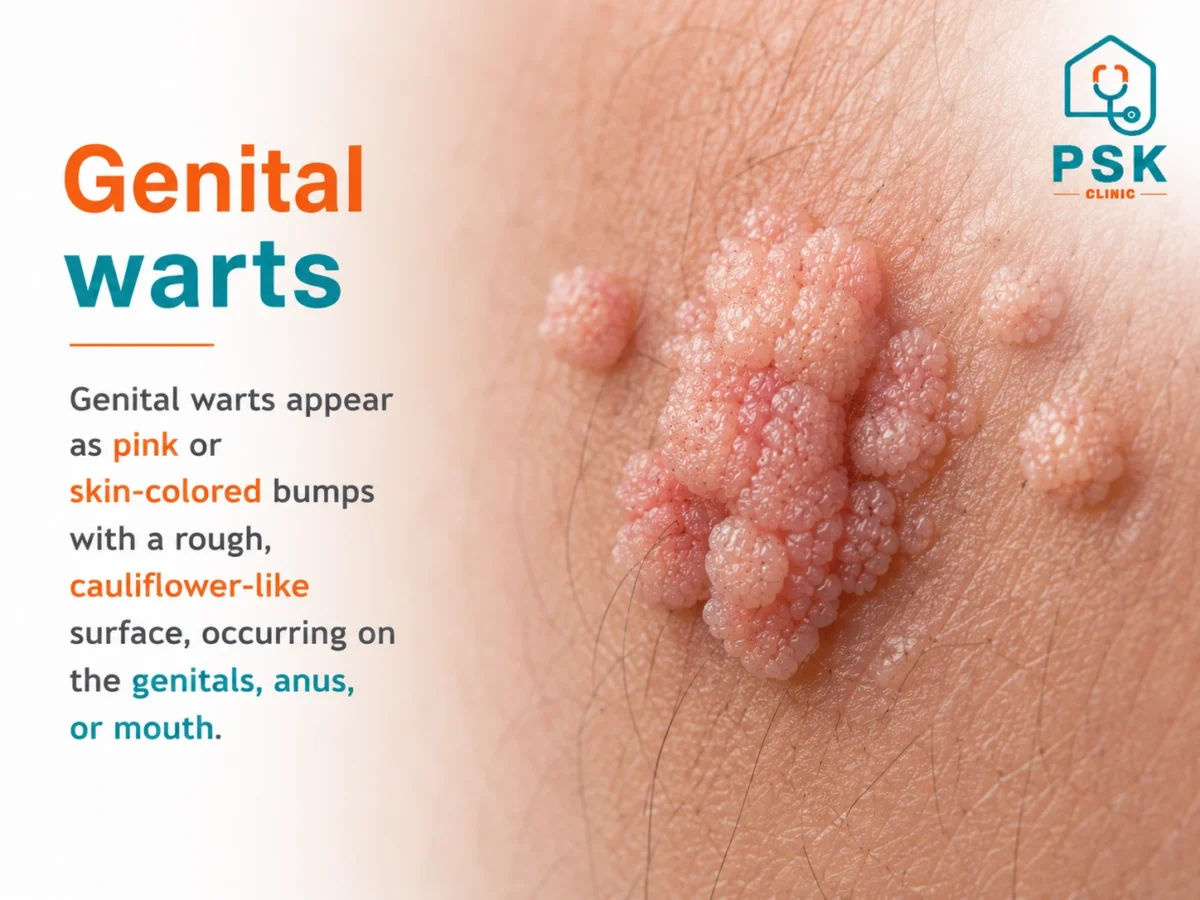
Considered in more detail, genital warts appear as pink or flesh-coloured fleshy protrusions with a rough surface, occurring in the genital, anal, or oral region. Some individuals experience abnormal bleeding, either after intercourse or between menstrual periods. Others notice increased vaginal discharge, an altered odour, or a change in colour. Still others experience chronic lower abdominal pain of unknown cause, or a sensation of itching and irritation in the genital area.
Should any of these symptoms occur, it is advisable to consult a physician and undergo HPV testing to obtain an accurate diagnosis. There is, however, no cause for undue concern, since in many cases early detection allows for management from the initial stage.
Can HPV Truly Cause Cancer?
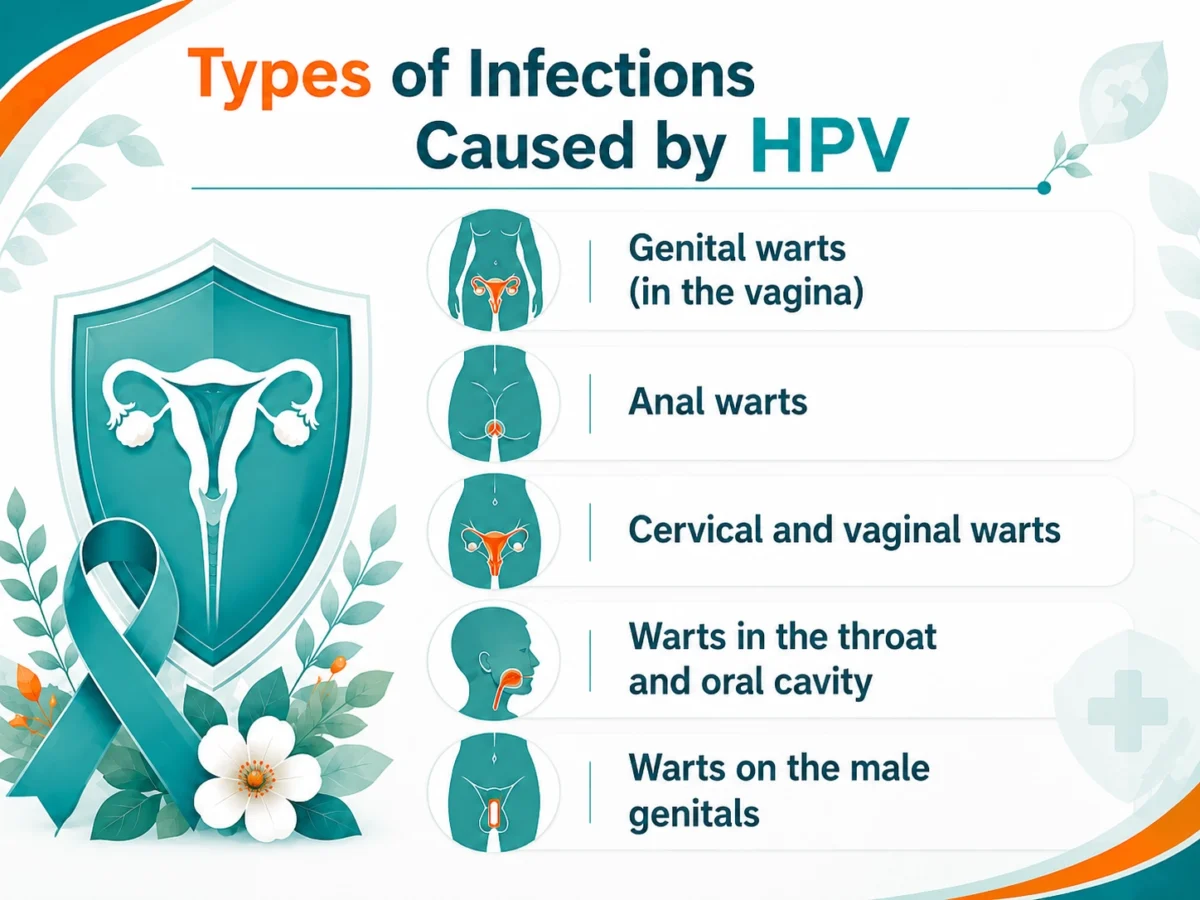
It can. High-risk HPV types are a cause of nearly all cases of cervical cancer, with types 16 and 18 in particular responsible for approximately 70% of cases worldwide (WHO data). The mechanism of carcinogenesis involves the virus integrating into the DNA of the host cell, causing the cell to mutate and proliferate abnormally. This process may take as long as 5 to 20 years—an interval during which screening allows for timely treatment before the disease progresses.
When classified by level of risk, the high-risk group warrants the greatest caution. Types 16 and 18 are the principal agents, responsible for approximately 70% of cervical cancers and around 90% of anal cancers. Next are types 31, 33, and 45, which are found in approximately 10–15% of cervical cancers. Types 35, 39, 51, 52, 56, 58, 59, and 68 are classified as intermediate-to-high risk.
By contrast, there is also a low-risk group that causes fewer complications. For example, types 6 and 11 are responsible for approximately 90% of genital warts but do not cause cancer, as is likewise the case for types 40, 42, 43, 44, 54, 61, 70, 72, and 81, which cause non-cancerous warts or fleshy growths.
HPV-Associated Cancers Are Not Limited to Cervical Cancer
Although the general public tends to associate HPV specifically with cervical cancer, the virus is in fact linked to several types of cancer. Data from the U.S. National Cancer Institute (NCI) are summarised in the table below.
| Type of Cancer | Proportion Attributable to HPV |
|---|---|
| Cervical cancer | Nearly all (more than 95%) |
| Anal cancer | Approximately 90% (high among men who have sex with men) |
| Vaginal and vulvar cancer | Approximately 70% |
| Oropharyngeal and oral cancer | Approximately 70% (increasing among men) |
| Penile cancer | Approximately 60% |
How Long Does It Take to Progress to Cancer?
A reassuring consideration is that the pathway from infection to cancer takes many years, with multiple points at which the condition can be detected and treated in time. During the first 0–2 years—the infection stage—the body clears the virus on its own in approximately 90% of cases, usually without symptoms. If the virus persists during years 2–5, it enters the chronic infection stage, in which it begins to establish itself and induce cellular abnormalities detectable by HPV DNA testing and the Pap smear.
Between years 5 and 10, pre-cancerous cellular abnormalities (cervical intraepithelial neoplasia, CIN grades 1–3) may be detected; at this stage the condition remains curable. If left untreated, cancer cells begin to progress during years 10–20, necessitating treatment by surgery, chemotherapy, or radiotherapy.
It should be noted that not every infected individual will progress to cancer, as additional factors increase the risk. These include smoking, which raises the risk of cervical cancer two- to threefold; immunocompromise due to HIV, which increases the risk approximately fivefold; co-infection with other sexually transmitted infections; the use of hormonal contraceptives for more than 5 years; and deficiencies of vitamins A, C, and E and folic acid.
How Is HPV Testing Performed, and What Is HPV DNA Typing?
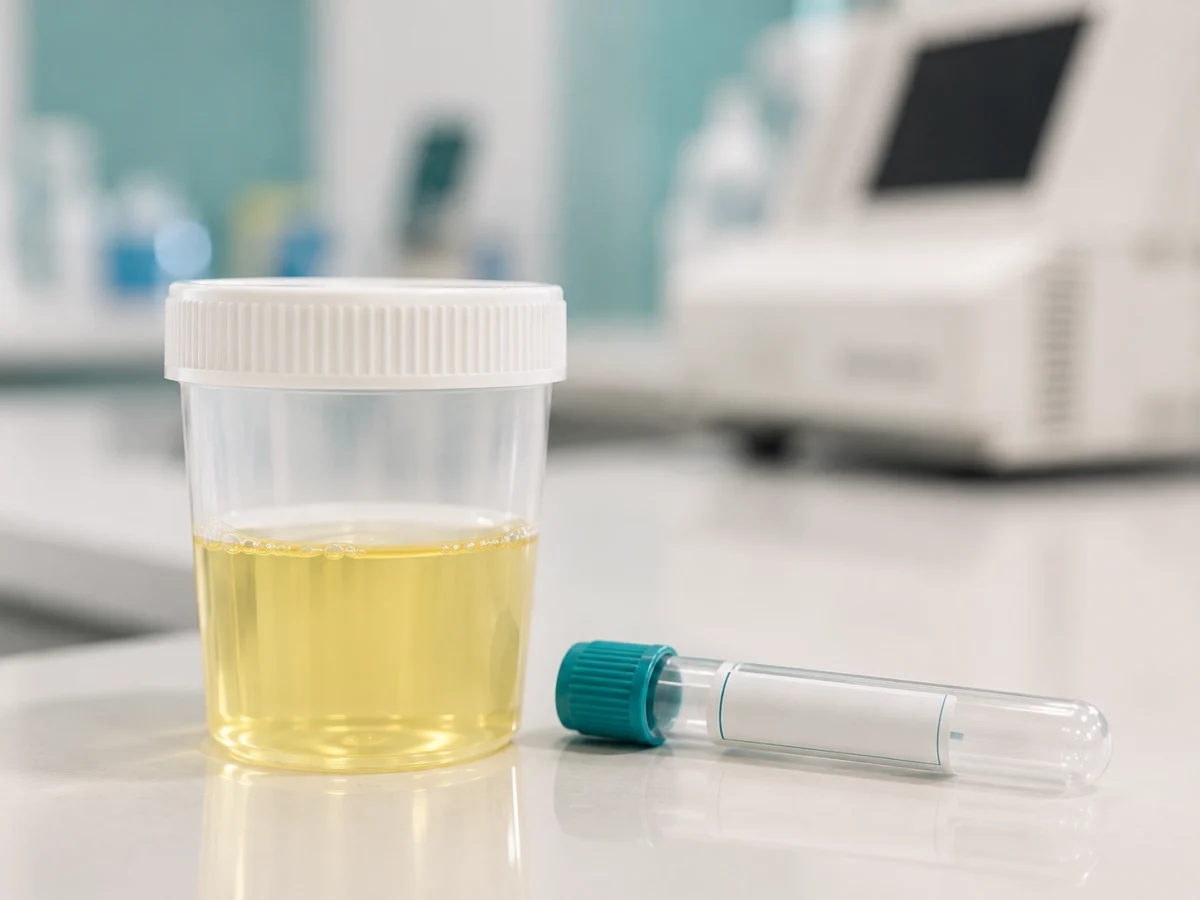
The most accurate method of HPV testing is HPV DNA Typing, a molecular-level test employing polymerase chain reaction (PCR) technology, with an accuracy as high as 99.9%. Samples can be collected from first-void (early-morning) urine, or from vaginal, anal, or cervical secretions, with the analysis focusing specifically on the high-risk, cancer-causing types.
HPV DNA Typing uses PCR (Polymerase Chain Reaction) technology—the same technology used in the COVID-19 testing with which many people are now familiar. Its principal advantages are that it can detect the virus even when present in very small quantities, clearly identify the type, and detect infection before any cellular change has occurred; owing to its high accuracy, frequent repeat testing is not required.
What Types of Samples Can Be Used for Testing?
HPV DNA Typing can be performed on several types of samples, each suited to different individuals, as shown in the comparative table below.
| Sampling Method | Accuracy | Suitable For |
|---|---|---|
| First-void urine | 95–98% | All genders; those for whom an internal examination is inconvenient; painless |
| Vaginal swab | 98–99.9% | Women who are sexually active |
| Anal swab | 97–99% | Those who engage in anal intercourse, and men who have sex with men (MSM) |
| Cervical swab | Up to 99.9% | Women aged 30 and above; can be performed together with a Pap smear |
How Does HPV DNA Typing Differ from the Pap Smear?
The principal difference lies in the timing of detection. HPV DNA Typing can detect infection before any cellular change occurs, whereas the Pap smear detects cellular abnormalities that have already developed. In terms of accuracy, the Pap smear has a false-negative rate of 20–30%, whereas HPV DNA testing has a false-negative rate of less than 1%. For this reason the two methods are complementary, and physicians often recommend co-testing for women aged 30 and above.
What Is PCR-Based HPV Testing, and How Does It Differ?
PCR-based HPV testing (Polymerase Chain Reaction) directly detects the virus’s genetic material (DNA) at the molecular level, with an accuracy as high as 99.9% and the ability to detect even very small quantities of the virus. It is therefore the principal technique used in HPV DNA Typing—the same technology behind the familiar COVID-19 test. In essence, it amplifies the virus’s genetic material in the sample until it is sufficient for a clear determination of whether infection is present and which type is involved.
Its advantages are threefold: higher accuracy than conventional methods such as the Pap smear (which has a false-negative rate of 20–30%, versus less than 1% for PCR); detection at an early stage, before any abnormal cellular change; and identification of the specific type, allowing cancer risk to be assessed appropriately. Results are generally available within 5–7 working days, and samples can be collected from first-void urine or from vaginal, anal, or cervical secretions—whichever is most convenient and private.
When Should HPV Testing Begin?
In general, women aged 21–29 should undergo a Pap smear every 3 years, while those aged 30–65 should undergo HPV testing together with a Pap smear every 5 years, in accordance with standard screening guidelines. Individuals who became sexually active at a young age or who have multiple partners should consult a physician to devise a testing schedule particularly suited to their circumstances.
As for men, although they do not develop cervical cancer, they can be carriers and are at risk of HPV-associated anal or oropharyngeal cancer. They should therefore consider testing when they have abnormal symptoms in the genital area, when a partner has tested positive, or when they wish to undergo comprehensive sexual-health screening—particularly men who have sex with men, who are at greater risk of anal cancer than the general population.
How Many Days Until HPV Test Results Are Available?
The turnaround time depends on the method chosen. PCR-based testing yields results within 5–7 working days, whereas detailed HPV DNA typing takes approximately 7–10 working days. A rapid test provides results within 1–2 hours but offers only moderate accuracy and is therefore suitable only for preliminary screening.
While awaiting results, individuals may carry on with their daily lives as usual, with no particular restrictions. It is advisable to collect the results in person in order to receive direct advice from a physician, and any questions should be noted down for discussion at the results consultation.
How Much Does HPV Testing Cost?
The cost of HPV testing depends on the method and the level of detail involved. Preliminary screening from a urine sample is more economical, whereas full HPV DNA Typing that identifies the type is more expensive—but nonetheless cost-effective, given its accuracy and the fact that it does not require frequent repeat testing. PSK Clinic offers several packages to suit differing needs, ranging from preliminary testing to detailed type identification, together with physician consultation.
Those wishing to know current prices and packages may enquire via LINE at @pskclinic; the team will gladly provide information prior to any decision.

Does the HPV Vaccine Truly Provide Protection, and When Should It Be Administered?
The HPV vaccine provides more than 90% protection against infection with types 16 and 18, and is supported by clear scientific evidence. A large-scale study conducted in England and published in The Lancet in 2021 found that individuals vaccinated at 12–13 years of age—before the onset of sexual activity—had an 87% reduction in the incidence of cervical cancer. In other words, the younger the age at vaccination, the greater the benefit. That said, adults up to the age of 45 still derive benefit.
The number of doses required varies by age. Individuals aged 9–14 receive only 2 doses, 6–12 months apart, this being the period during which the immune response is most effective. Those aged 15–26 require 3 doses, at months 0, 2, and 6, while individuals aged 27–45 should consult a physician on an individual basis, since benefit remains although efficacy may be reduced.
Several types of HPV vaccine are available in Thailand: Cervarix, which protects against types 16 and 18; Gardasil 4, which adds protection against types 6 and 11; and Gardasil 9, which offers the broadest coverage, protecting against 9 types—namely 6, 11, 16, 18, 31, 33, 45, 52, and 58.
Even after vaccination, however, one should still undergo screening as scheduled, since the vaccine does not cover all HPV types; screening therefore remains necessary for complete protection. PSK Clinic provides both the 4-type and the 9-type HPV vaccines.

How Can One Protect Oneself from HPV?
Effective HPV prevention does not rely on any single measure but requires several approaches in combination. It begins with safe sexual practices—using a condom every time, limiting the number of partners, and communicating openly with partners about sexual health—together with HPV vaccination, particularly before the onset of sexual activity, and regular screening by both HPV testing and the Pap smear as advised by a physician.
In addition, refraining from smoking substantially reduces risk, since smoking increases the risk of cervical cancer. Strengthening the immune system through adequate rest, regular exercise, and a nutritious diet likewise constitutes an essential foundation that should not be overlooked.
Should a test result be positive, the individual should not be alarmed, since the body clears the virus on its own in approximately 90% of cases within 2 years. A physician will help devise an appropriate follow-up plan, and regular monitoring will help prevent the virus from progressing to cancer.
Frequently Asked Questions
What is HPV?
HPV (Human Papillomavirus) is the most common sexually transmitted virus, comprising more than 100 types. Certain types cause genital warts, while high-risk types are a cause of nearly all cases of cervical cancer.
How many days until HPV test results are available?
PCR-based testing yields results within 5–7 working days; detailed HPV DNA typing takes 7–10 days; and a rapid test provides results within 1–2 hours but with only moderate accuracy.
Can men be tested for HPV?
Yes. Although men do not develop cervical cancer, they can be carriers and are at risk of HPV-associated anal and oropharyngeal cancer, particularly men who have sex with men. Testing can be performed on urine or anal secretions.
Is HPV testing from urine accurate, and is it painful?
Testing from first-void urine is painless, convenient, and private, with an accuracy of 95–98%, comparable to other methods; it is therefore suitable for those for whom an internal examination is inconvenient.
Do condoms provide 100% protection against HPV?
No. Because HPV is transmitted through skin in areas that condoms do not cover—such as the scrotum and groin—condoms substantially reduce risk but should be used in conjunction with vaccination and screening.
Are same-sex couples at risk of HPV infection?
Yes. HPV can be transmitted among people of all genders through skin contact and through sexual activity of every kind. Using condoms and undergoing regular screening help reduce the risk.
Conclusion
HPV is more common than is generally assumed, and in most cases it is asymptomatic; testing is therefore the only means by which a person can truly ascertain their own status. As HPV DNA Typing technology now allows testing from urine—painlessly and with results within 5–7 days—screening today is more convenient and more private than ever before.
Importantly, HPV infection is nothing to be ashamed of; rather, it is something to be understood and managed. The best protection is a holistic approach encompassing vaccination, regular screening, and attention to sexual health. For anyone who is uncertain or concerned, testing is the best course of action, since early detection leads to early care.
PSK Clinic, a sexual-health clinic in Lat Phrao, Bangkok, is ready to provide confidential advice on HPV testing and HPV vaccination. Appointments and enquiries can be made via LINE at @pskclinic or by telephone at 095-049-4142. Open daily, 11:00–19:00. (Last registration 18:30)
References
- National Cancer Institute (NCI) — HPV and Cancer. https://www.cancer.gov/about-cancer/causes-prevention/risk/infectious-agents/hpv-and-cancer
- World Health Organization (WHO) — Cervical cancer. https://www.who.int/news-room/fact-sheets/detail/cervical-cancer
- Falcaro M, et al. The Lancet (2021) — HPV vaccination programme in England: cervical cancer reduction 87%. https://www.thelancet.com/journals/lancet/article/PIIS0140-6736(21)02178-4/abstract
- Centers for Disease Control and Prevention (CDC) — HPV. https://www.cdc.gov/hpv/
- Department of Disease Control, Ministry of Public Health (Thailand). https://ddc.moph.go.th/